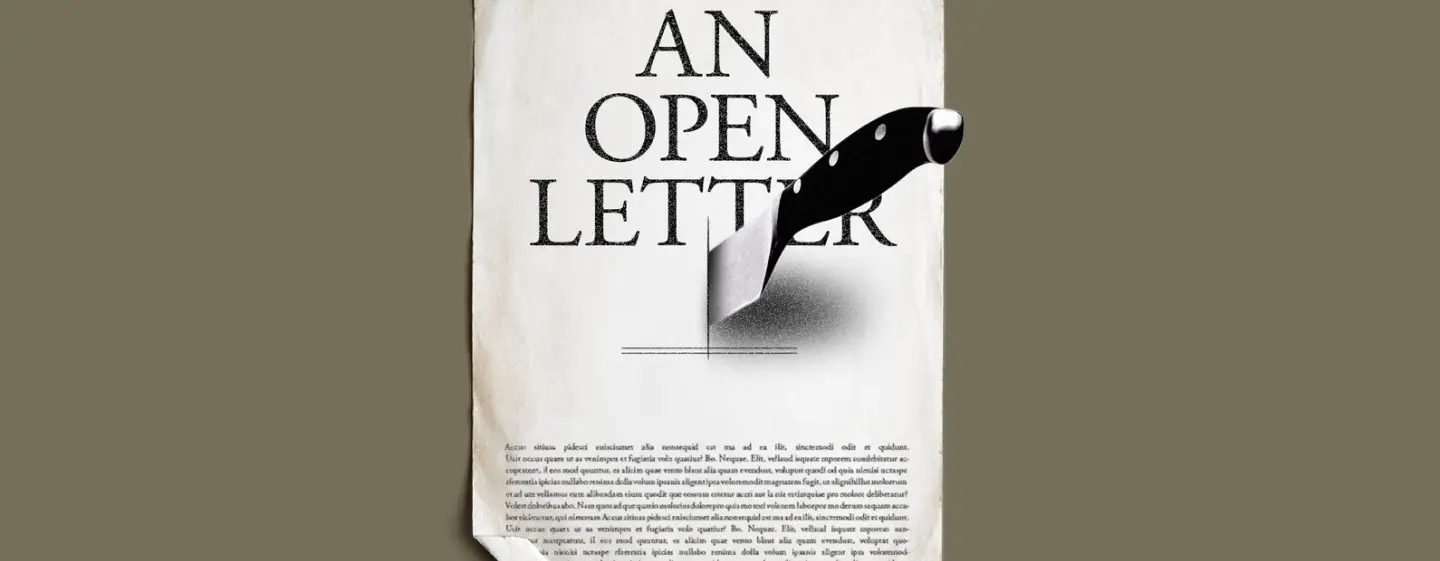
Fortune ran a report this week that I haven’t been able to put down. Its title says most of it: "’AI rebounding’: Nearly 20% of U.S. workers replaced by AI are being asked back." Here it is: https://fortune.com/2026/11/09/ai-rebounding-20-us-workers-replaced-higher-pay-job-security
Let me be fair to it first. The report describes a survey, run in June and July, in which 19.1% of American respondents said they’d been replaced by AI and then asked to come back. It also cites a Robert Half survey from July. In it, 32% of U.S. hiring managers whose organizations cut positions because of AI later had to reinstate the same or similar roles. And 40% of that group said those positions needed institutional knowledge or context that AI couldn’t replace. Fortune’s diagnosis is that "organizations are making fast, sometimes myopic, decisions about their people based on an incomplete picture of what their employees can do with or without AI."
These are surveys run by companies, so I’d hold the exact percentages loosely. The pattern, though, I’d take very seriously. I’ve watched this pattern for twenty years. Only the tool has changed.
Years ago someone asked me why, after two decades in business strategy, I never worked in restructuring for one of the big global consultancies. My answer was that I’d sooner cut off my own arm.
I meant it literally. In 2003 Aron Ralston was climbing in Blue John Canyon in Utah when a dislodged boulder pinned his arm against the rock. After 127 hours he cut it off with a dull multi-tool to save the rest of his body. People in an organization are like parts of a body. When something in the market traps the company, the old reflex is to reach for the multi-tool and start hacking at headcount. Today the multi-tool has a chatbot on it. Same blade.
So here’s where I agree with Fortune. Those decisions were myopic. And the Robert Half finding about institutional knowledge is a point I’ve made before, now with survey numbers behind it: "AI won’t replace ‘Managers’ or ‘Analysts.’ It replaces tasks." A role is a bundle of tasks held together by a person who knows why they matter, who to call and what went wrong last time. Automate the tasks, remove the person, and you find out what the glue was worth.
Here’s where I push back, and some of you won’t like it.
Fortune frames this as an information problem: leaders didn’t have a complete picture of what their people could do. I don’t believe that. Most of those leaders could have found out in a week of honest conversations with their own teams. They didn’t, because cutting is faster than asking, and a headcount saving looks good in a board pack this quarter. In my archive I wrote a line that I’ll stand behind today: "Cutting jobs prematurely is not courageous, it’s leadership cowardice and employee cruelty." Putting AI in the sentence doesn’t make it braver.
And I’d push back on the hopeful reading too, that AI rebounding is the market correcting itself. A rehire doesn’t undo the amputation. The person you bring back now knows exactly how much they meant to you the first time. The people who stayed watched the whole thing. I asked years ago: "Do you think those left in the organization will trust their leadership after that?" My answer then is my answer now.
Years.
That’s years of people doing exactly what’s asked and nothing more, keeping their best ideas to themselves and taking the next recruiter’s call. None of that shows up in the saving that justified the cut.
So what would I do instead, if I were a CEO looking at an AI business case that removes people?
I’d be transparent first. Describe the boulder to the whole organization: what’s changing, what it costs, what you don’t know yet. Invite people at every level to tell you which of their tasks a machine could take and which it couldn’t. They know. You won’t get that answer from a vendor demo.
I’d start the change at the top. If the executive team hasn’t changed how it works, nobody below it will believe the change is real.
And I’d map tasks, never roles. Let the technology take the tasks it does well, and move the people toward the work it can’t do. That’s harder than a reduction in force. It’s also the only version that doesn’t send you back to the same people a year later, cap in hand, paying more.
I’ll leave you with the rule I wrote for redundancies long before anyone was blaming them on AI: "Don’t let the termination papers for your people even touch your left hand, until the insolvency papers are in your right." If AI is your reason, that rule still applies. I’m more of a boulder-mover than an arm-cutter, and I think the leaders who come out of this decade well will be too.
If you’re weighing what AI should change in your organization and you’d like to think it through with me before anything gets cut, Book a call: https://www.corrieblock.com/connect/